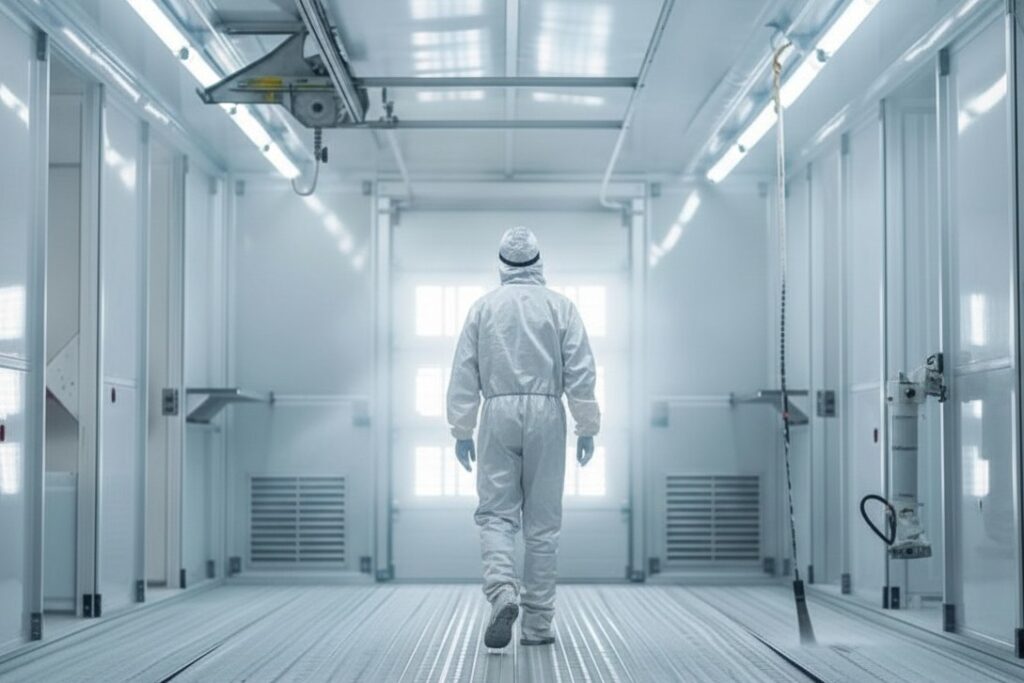
In the automotive industry, protecting metal components against corrosion is essential not only for component lifespan, but also for the safety and reliability of the entire vehicle. Among the most commonly used surface treatment methods are cathodic dip coating (KTL), hot-dip galvanising and powder coating. There is no single “best” solution – each method has its own specific properties, advantages and limitations that must be considered during the design of parts and assemblies. Let’s take a closer look.
Cathodic dip coating (KTL) – uniform coating for complex parts
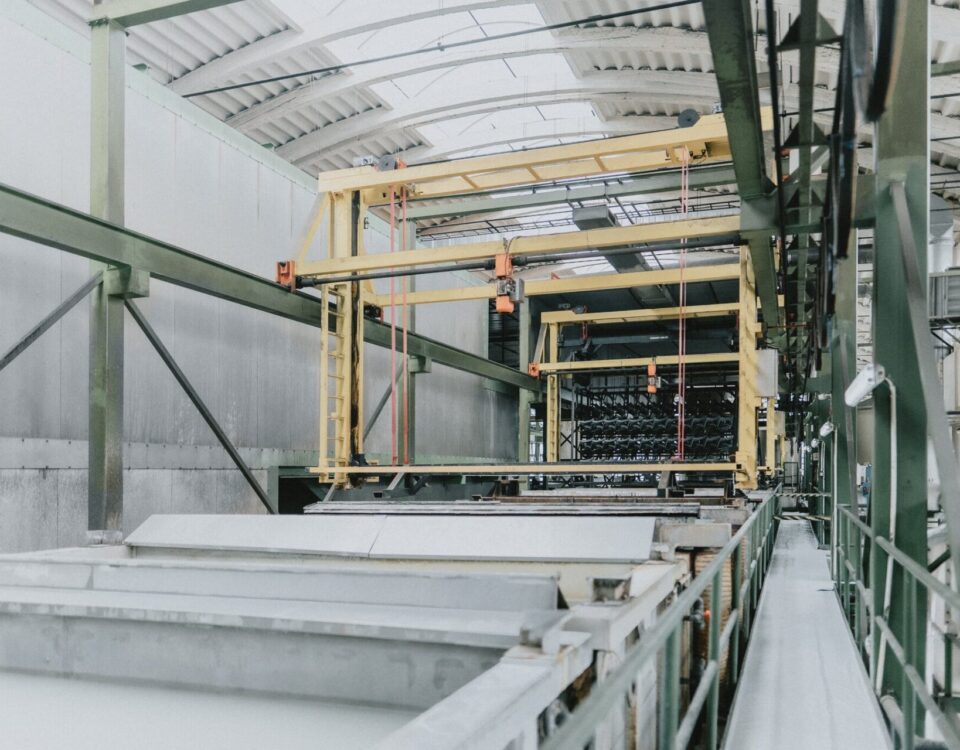
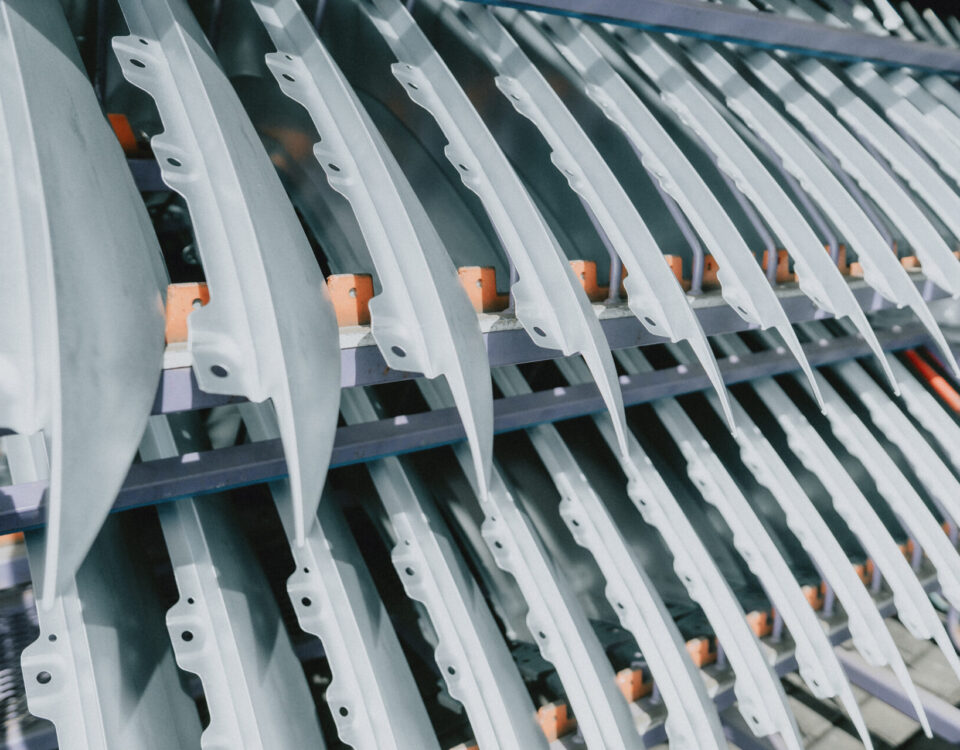
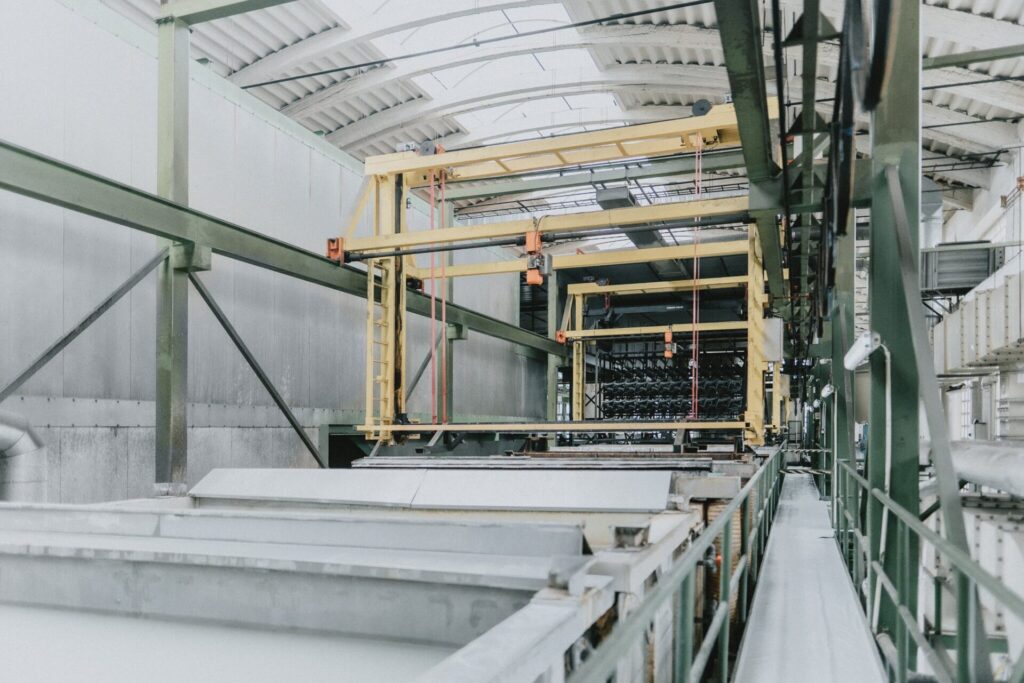
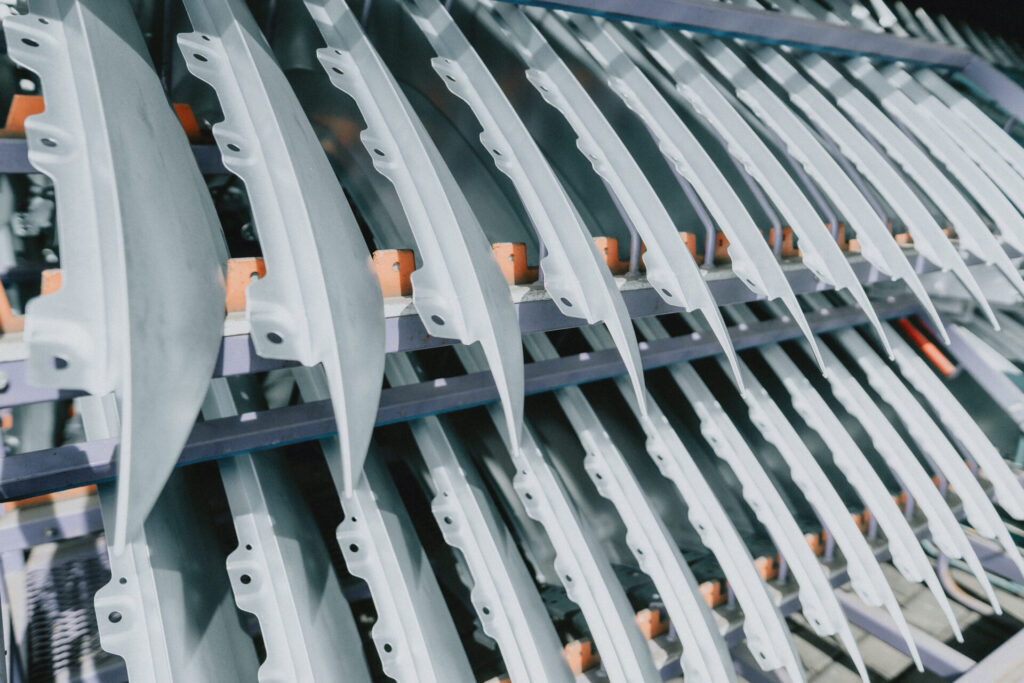
Cathodic dip coating is a modern metal surface treatment method in which paint is applied from a water-based bath using an electric current. Thanks to its excellent throw power, it creates a uniform coating layer with almost 100% coverage. The electrophoretic principle enables even coating of hard-to-reach areas and internal cavities – something other methods often cannot achieve.
KTL provides excellent corrosion protection, especially when combined with a subsequent filler and topcoat. The mechanical resistance of the coating is moderate, which is why it is often combined with other methods when higher resistance to abrasion or mechanical damage is required.
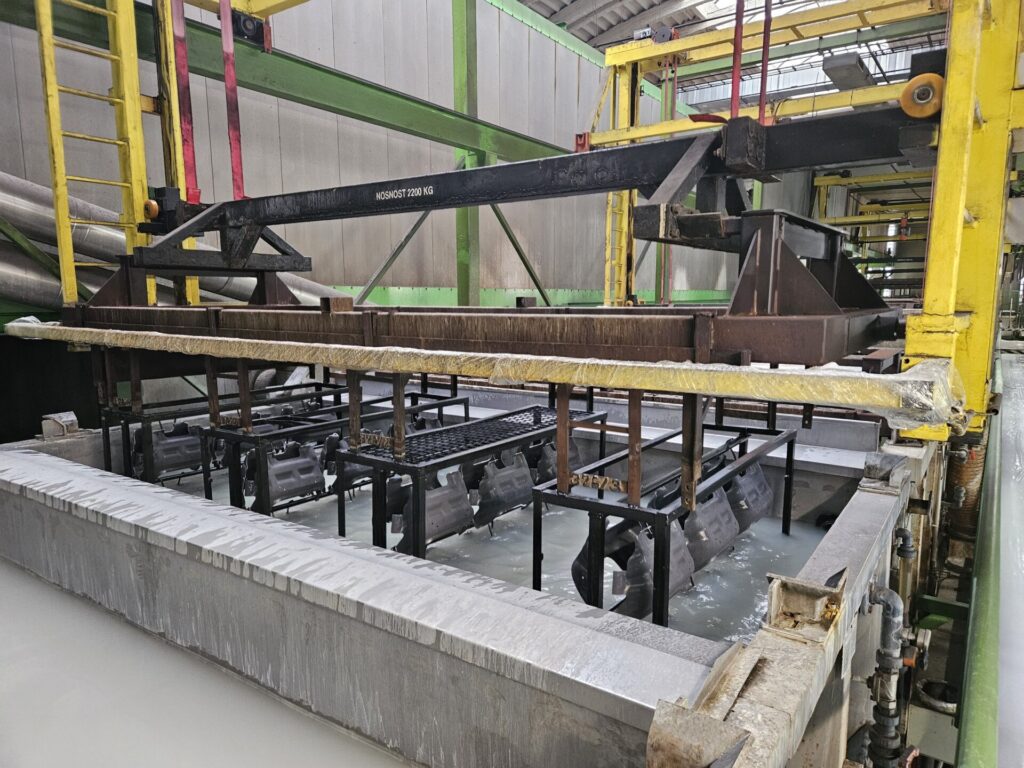
Hot-dip galvanising – suitable for extreme environments
Hot-dip galvanising is a process in which metal components are immersed in molten zinc. The resulting layer provides very high corrosion resistance, particularly against long-term exposure to moisture and chemicals. Hot-dip galvanised parts exhibit excellent mechanical durability and are highly resistant to abrasion and impact.
This method is ideal for components exposed to extreme operating conditions and where long-term protection without additional coating is required. Compared to KTL, however, it is more difficult to apply effectively in complex cavities and internal spaces.
Powder coating – guaranteed attractive appearance
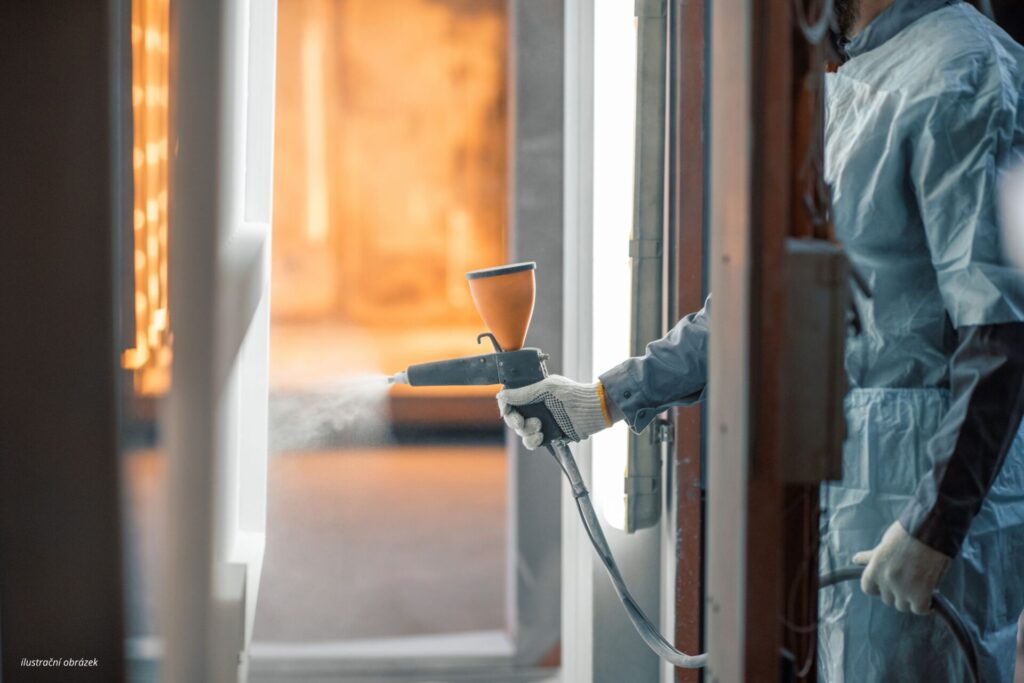
Powder coating provides a thick, durable surface layer with high mechanical resistance and strong visual appeal. It is particularly suitable for flat and easily accessible parts. However, powder coating does not ensure full coverage of cavities and concealed joints, which is why it is often used as a topcoat over KTL or galvanising. This creates a duplex system that combines corrosion protection with mechanical durability and an attractive appearance.
Where to use each method?
- KTL technology is ideal for complex geometries, cavities and components requiring uniform coverage and reliable corrosion protection. It is a standard choice for vehicle bodies and chassis parts.
- Hot-dip galvanising is suitable for components exposed to extreme corrosion and mechanical stress – particularly load-bearing structures and chassis components.
- Powder coating is best suited for visible parts and is often used as a top layer to enhance mechanical resistance and aesthetics.
How to achieve the best result? By combining these methods in duplex systems, maximum protection and service life can be achieved. For example, KTL followed by powder coating ensures cavity protection while increasing surface resistance to abrasion and chemical exposure. Hot-dip galvanising combined with a powder topcoat provides an exceptionally durable corrosion barrier together with mechanical protection.
APP – a leading player in cathodic dip coating in Central Europe
Choosing the right surface treatment technology depends on operating conditions, part complexity and the required service life.
At Automotive Painting Partners, we specialise in cathodic dip coating, where we are the market leader in the Czech Republic and one of the largest providers in Central Europe. Our lines can process up to 10 million square metres per year and allow coating of various material types. We coat a wide range of materials not only for automotive applications, but also for construction, mechanical engineering, healthcare, furniture and electrical industries. This enables us to deliver reliable, flexible and efficient surface protection across a broad range of applications.
Not sure which method is best for your components? Get in touch with us. We will be happy to review your material, operating environment and service life requirements and help you select the optimal solution.